
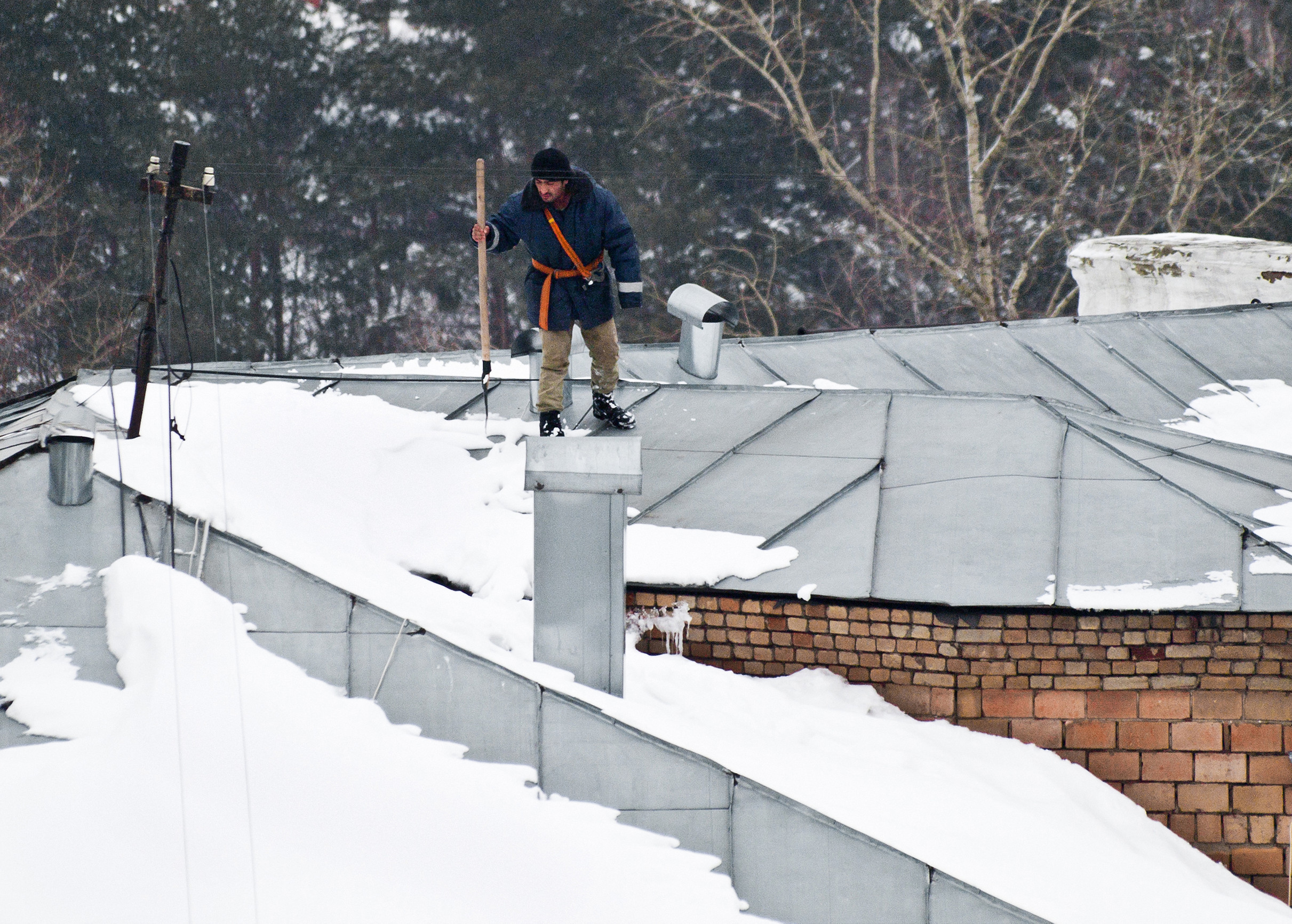
Winter in Tennessee brings chilly temperatures, heavy rain, sudden cold snaps, and occasional snowfall. While the weather here is milder than in northern states, winter conditions can still create serious problems for your roof if it is not properly prepared. Moisture, freezing temperatures, debris buildup, and wind can all compromise roofing materials and lead to leaks, structural damage, and costly repairs.
Preparing your roof before winter arrives is one of the smartest things a homeowner can do. With the right steps, you can protect your investment, improve energy efficiency, and avoid emergency repairs during the coldest months of the year. This guide walks you through how to get your roof winter ready, what dangers to watch for, and what actions help extend the lifespan of your roofing system.
Why Winter Prep Matters for Tennessee Roofs
Tennessee winters are unpredictable. Some weeks bring mild sunshine, while others bring freezing rain, strong winds, or a quick dusting of snow. The fluctuations in temperature are especially hard on roofing materials. When the temperature rises and falls repeatedly, shingles expand and contract. This makes them more susceptible to cracking, curling, or loosening.
Moisture is another concern, particularly during Tennessee’s winter rains. Heavy rainfall can expose existing vulnerabilities, and even small issues can turn into major leaks under the pressure of persistent wet weather. Ice is less common but still possible. When it forms around gutters and eaves, it can block drainage and cause water to back up under shingles.
A well-prepared roof can handle these conditions with ease. Taking preventive actions now reduces the risk of leaks, mold growth, interior damage, structural deterioration, and expensive emergency calls.
Inspect the Roof for Visible Damage
A visual inspection is the first and most important step in preparing your roof for winter. Look for warning signs that indicate your roof may need repair or maintenance before temperatures drop. These signs include cracked shingles, lifted shingles, missing shingles, sagging areas, damaged flashing, rust or gaps around chimneys, and punctures from falling branches.
If you are comfortable, you can inspect the roof surface using a ladder and binoculars. However, hiring a professional roofing company is recommended. Professionals know exactly what to look for and can spot problems a homeowner might miss. Even issues that seem small, such as a loose nail or cracked sealant, can cause significant trouble once winter weather arrives.
A trained roofer can also inspect areas that require expert attention, including roof valleys, ventilation openings, underlayment exposure, and hidden water intrusion points. For expert guidance on roof types, see our roof shingles installation and repair services.
Clean the Gutters and Downspouts
Your gutters play a major role in protecting your roof during winter. When gutters are clogged with leaves, pine needles, or debris, they cannot allow water to drain correctly. In Tennessee, gutters tend to fill quickly during fall when trees shed large amounts of leaves and acorns.
If the gutters clog during winter rainfall, water can spill over the edges and saturate the roofline, fascia, and foundation. If temperatures drop below freezing, the standing water can freeze inside the gutters and add unnecessary weight. The result can be warped gutters, broken hangers, or even water backing up beneath the shingles.
Before winter, make sure your gutters and downspouts are completely clear. Installing gutter guards can help reduce debris buildup in the future and keep water moving efficiently throughout the season. For tips on related roofing maintenance, visit our roofing blog.
Trim Overhanging Tree Branches
Tennessee is known for its beautiful mature trees. While they provide great shade, they can cause problems for your roof in the winter. Branches that hang too close to the roof can break during storms, especially if they become wet or icy. Even branches that do not fall can scrape and wear down shingles over time.
Trim any limbs that extend over or too close to your roof. This step reduces debris accumulation and protects the surface from punctures and scratching. It also helps sunlight reach the roof, which can assist with drying moisture more quickly after rainfall.
Check Your Attic Ventilation
Many homeowners assume roof protection only involves outside maintenance, but attic ventilation plays a major role in winter readiness. Proper airflow prevents moisture buildup and helps regulate temperature. Poor ventilation traps warm air inside the attic. During cold weather, this warm air can cause condensation, which leads to mold, mildew, wood rot, and insulation damage.
Balanced attic ventilation includes soffit vents, ridge vents, or gable vents that allow fresh air to flow in and warm, humid air to escape. Before winter, check for blocked vents, inadequate airflow, or insulation covering your intake vents. For more information on attic and roofing performance, visit our residential roofing page.
Strengthen Roof Flashing and Sealants
Flashing is one of the most common places where winter leaks develop. These thin metal pieces are installed around roof joints, chimneys, vents, skylights, and valleys to keep water out. When flashing bends, rusts, or pulls away from the surface, moisture can easily enter the home.
Sealants around roof penetrations, especially skylights and vents, can deteriorate over time. Extreme temperature changes in Tennessee accelerate this process.
Before winter, have a roofing professional check all flashing and sealant materials. Re-tightening, re-sealing, or replacing damaged flashing is a quick and affordable job that prevents costly repairs later. Learn more about advanced roofing solutions on our commercial roofing page.
Clear Off Roof Debris
Leaves, twigs, and debris often collect on roofing surfaces during the fall. If left in place, they trap moisture, which encourages algae, mold, and rot. Wet debris can also add weight to the roof and prevent shingles from drying properly.
Clear debris from the roof surface before winter begins. Be cautious about climbing onto your roof yourself. Fall injuries from roofs are common, and professionals have the right equipment and training to do this safely. For inspiration, check our roof gallery.
Check for Moss or Algae Growth
Tennessee’s humidity often causes moss and algae to develop on shingles. While not always an immediate threat, these growths hold moisture against the roof surface and can damage shingles over time. Moss can even lift shingles as it expands.
If you see green or dark streaks, have them removed using safe, non-damaging cleaning methods. Avoid pressure washing shingles because the force can strip protective granules and reduce the lifespan of the roof. For style inspiration, see our blog on stunning roof colors for modern farmhouse homes.
Repair Small Problems Before They Become Big
Winter weather makes small roofing issues worse. A tiny leak today could turn into a major water intrusion during the cold months. Loose shingles can completely detach in strong winter winds. Cracked shingles allow water to seep inside and freeze, creating larger openings as the ice expands.
Addressing repairs in the fall is significantly more affordable than dealing with emergency repairs in winter or replacing sections of roofing in spring. Timely maintenance also protects the home’s interior, including walls, ceilings, insulation, and electrical systems. Learn more about financing options for roofing upgrades in our article on how to finance your new roof with ease.
Improve Insulation for Winter Energy Savings
Another way to prepare your roof for winter is by ensuring your attic insulation is adequate. Heat naturally rises. If your insulation is too thin or has deteriorated, your heating system must work harder to keep your home warm. This leads to higher utility bills and unnecessary wear on your HVAC system.
Upgrading insulation in the attic is one of the most cost effective ways to boost energy efficiency. It also works hand in hand with proper ventilation to prevent condensation issues during the winter months. For tips on overall roof efficiency and ROI, see our blog on the true cost of a metal roof.
Schedule a Professional Roof Inspection
The best way to prepare your roof for winter in Tennessee is by scheduling a professional inspection. Roofing experts know the signs of potential trouble and can identify issues before they create damage. A pre winter inspection typically includes checking shingles, flashing, gutters, ventilation, attic conditions, sealants, and drainage pathways.
A professional roofer provides a detailed report and recommends any maintenance or repairs needed to get your roof winter ready. This step offers peace of mind and ensures your home is protected throughout the season. For professional services, contact Creative Roofing Systems, LLC.
Frequently Asked Questions
1. How often should I inspect my roof in Tennessee?
It is recommended to inspect your roof at least twice a year, ideally in spring and fall, and after major storms. Regular inspections prevent minor problems from turning into expensive repairs. Learn about our roof shingles installation and repair services to keep your roof in top shape.
2. Can heavy winter rain damage shingles?
Yes. Excessive water can infiltrate damaged or missing shingles. Our residential roofing experts can inspect and repair shingles before rain becomes a problem.
3. Do I need to clear snow from my roof in Tennessee?
Snow accumulation is generally light in Tennessee, but if it persists on low-slope roofs or commercial buildings, it may need clearing. Learn more in our commercial roofing blog.
4. How can I prevent ice dams?
Proper attic insulation and ventilation prevent ice dams from forming at eaves. Ensure gutters are clear and roof leaks are repaired.
5. Are shingle roofs durable in Tennessee winters?
Modern asphalt and architectural shingles are designed to withstand local winter conditions. See our best shingle roof ideas for homes for inspiration.
6. When should I schedule roof maintenance?
Fall is ideal for winter prep. Early maintenance avoids emergency calls and prolongs roof life.
7. Do moss and algae affect shingle performance?
Yes. They trap moisture and can damage shingles over time. Remove them safely or hire a professional.
8. Can a professional inspection save me money?
Absolutely. Early detection of small issues prevents expensive repairs later. Learn more in our metal roof retrofit blog.
9. How do I choose the right roofing contractor for inspections?
Look for licensed, insured, and experienced professionals. Creative Roofing Systems, LLC offers reliable, local expertise in Tennessee.
10. Can I upgrade to energy-efficient shingles during winter prep?
Yes. Upgrading shingles during fall prep can improve insulation, curb appeal, and energy savings. Read about our roof gallery for project examples.
Taking proactive steps now ensures your roof will stand strong throughout the winter months. Proper preparation protects your home, extends the life of your shingles, and reduces the risk of costly emergency repairs.

